


Contents
- Why choose a stained glass panel?
- Choosing the right design
- Understanding colour and light
- Size, shape and placement
- Ready made or bespoke?
- Safe display and care
- Frequently asked questions
A stained glass panel can bring colour, detail and changing light into a home without replacing a complete window. It can hang in a sunny window, sit within a suitable frame or become a feature in a carefully chosen part of a room. The glass changes as daylight moves, so the artwork can feel different from morning to evening.
Amber Dragons creates original handmade stained glass artwork in Somerset. Artist Christine Saunders draws inspiration from wildlife, nature, landscapes, mythology, fantasy and personal stories. The collection includes individual panels as well as examples of bespoke work.
Browse the stained glass panels collection, see more items in the Amber Dragons shop, or learn about Christine and her work.
Why Choose a Stained Glass Panel?
A decorative panel offers flexibility. It can add the effect of stained glass without the building work involved in changing an existing window. This makes it suitable for many homes, including properties where a permanent installation may not be practical.
The artwork can also move with you. A well chosen hanging panel can be displayed in a different window if the room changes. This is useful when buying a personal piece that you may want to keep for many years.
Stained glass works especially well where natural light can pass through it. Transparent colours can glow, while textured glass scatters light and creates movement. Opalescent sections may remain clear even when the window is not brightly lit.
A feature with personal character
Wall prints and photographs depend on reflected light. Stained glass uses transmitted light as part of the artwork. This gives it a distinctive presence. The view can change with the weather, season and time of day.
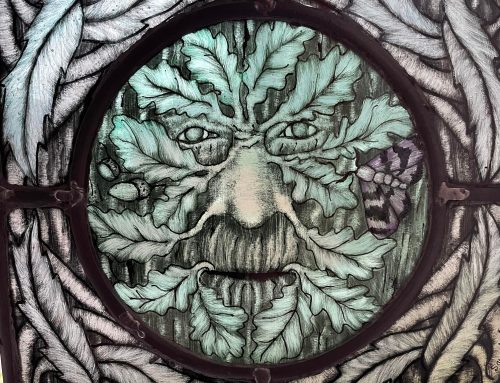
A panel can also express a personal interest. Wildlife subjects suit nature lovers. Woodland scenes can create a calm mood. Mythical figures and fantasy designs bring a stronger sense of story. Landscape inspired work can connect a home with a favourite place.
Choosing the Right Design for Your Home
Begin with the room rather than the artwork alone. Look at the colours already present, the amount of daylight and the space around the intended display point. A bold design needs room to be seen. A smaller piece can suit a narrow window, reading corner or quiet part of a hallway.
Consider what you want the panel to do. It may provide a strong focal point. It may add a gentle area of colour. It may offer a degree of visual screening through textured glass, although a decorative panel should not be treated as a complete privacy solution unless it has been designed for that purpose.
Subject and mood
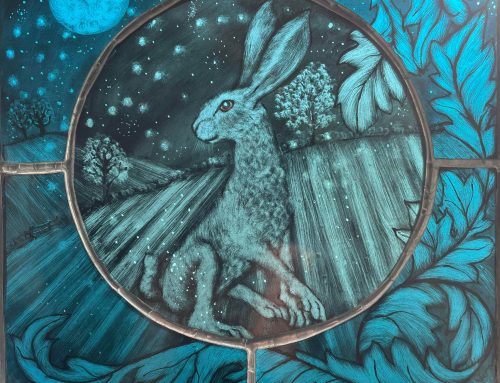
The subject helps set the mood. Birds, hares, foxes, flowers and trees can feel connected to the British landscape. Moonlit scenes may feel calm or mysterious. Dragons and other fantasy subjects can feel energetic and imaginative.
Choose a design you will enjoy beyond a short trend. Original art is often most successful when it reflects a lasting interest, memory or emotional connection.
How much detail is right?
Viewing distance matters. A panel seen from across a room needs a clear outline and balanced areas of colour. A piece displayed close to a seating area can reward finer detail.
More pieces of glass do not automatically create better art. Strong simple shapes can have great impact. Texture and natural variation can add interest without making the design busy.
Understanding Colour, Texture and Natural Light
Glass should be judged in light. A sheet may appear dark on a work surface but become vivid in a bright window. Another may look pale until its texture begins to scatter sunlight across the room.
When choosing a panel, think about the direction of the window:
- East facing windows often receive clearer morning light.
- South facing windows may receive stronger light for more of the day.
- West facing windows can produce warm afternoon and evening tones.
- North facing windows often provide softer and more even light.
These are general patterns. Nearby buildings, trees, curtains and the shape of the room can all change the result.
Transparent and opalescent glass
Transparent glass allows the view and daylight to pass through more clearly. It can create bright jewel like colour. Opalescent glass contains more cloudiness or opacity. It may show its colour well against a wall or in softer light.
Many designs use both. Transparent areas may bring energy, while more opaque pieces define the subject. The balance depends on the artwork and intended location.
Using texture wisely
Texture can suggest water, leaves, feathers, clouds or movement. It can also distort the view beyond the glass. This may be useful when a panel is placed in a window that faces a busy space.
Run your eye across the whole design. Texture should support the subject rather than compete with it. A small area of strongly patterned glass can be more effective than using it everywhere.
Size, Shape and Placement
Measure the available display area before choosing. Note both width and height. Leave enough clear space for the panel, its frame or hanging chain and any movement caused by opening a window.
Do not hang glass where it can strike a handle, blind, curtain pole or door. Avoid areas where children, pets or regular household movement may knock it. The fixing must suit the weight of the finished artwork and the surface supporting it.
Choosing the shape
A landscape format suits wide scenes, groups of animals and broad window spaces. A portrait format can work well for birds, standing figures, plants and narrow openings. Round or arched pieces can soften the straight lines of a modern room.
The design should feel balanced within its shape. A subject should not appear squeezed into the available space. Good composition leaves room for the glass and joining lines to work together.
Framed and hanging panels
A framed panel can give the artwork a clear outer boundary and may suit display on a stand or against a light source. A hanging panel can feel lighter and may be easier to move.
The best option depends on the piece. Follow the display advice supplied with the artwork. If you are commissioning a panel, discuss the intended location before the design is finalised.
Ready Made or Bespoke Stained Glass?
A ready made panel is a good choice when you connect with an existing design and the size suits your home. You can see the finished colours, subject and proportions before buying.
A bespoke commission is useful when you need a personal subject, particular dimensions or colours linked to a room. It may begin with a pet photograph, favourite landscape, family story or original idea.
Commissioned work still needs artistic interpretation. Photographs and detailed images must be translated into cut glass shapes and joining lines. The result should capture the important character rather than copy every tiny detail.
Visit the latest stained glass works and commissions page to see examples and learn how to begin a personal project.
Questions to ask before choosing
- Does the finished subject have personal meaning?
- Will the colours work in the intended room?
- Is the size suitable for the available space?
- Can the panel be displayed safely?
- Would an existing design meet the need?
- Do you need a personal subject or exact dimensions?
Safe Display and Simple Care
Stained glass is durable when handled properly, but it is still glass artwork. Hold a panel by secure outer edges or its frame. Do not lift it by a small decorative section or hanging chain alone.
Use suitable hooks and fittings. Adhesive hooks and suction fittings vary widely and may not suit the weight, surface or temperature changes around a window. Ask for advice if you are unsure.
Remove light dust with a soft dry cloth. Avoid abrasive pads, metal polish and strong household cleaners. Do not press hard on the centre of a panel. Check the artwork and its hanging fittings from time to time.
Think about heat and movement
Avoid positions where the artwork may be exposed to impact or sharp changes in heat. A door that slams, a loose blind or a curtain moved every day can create repeated contact. Choosing a calm, secure location helps protect the piece.
Choosing a Stained Glass Panel From Amber Dragons
Take time to compare subjects, shapes and colours. View product photographs carefully and check the listed dimensions. Think about how the glass will look in your own light rather than choosing only from the image on a bright screen.
If an available design feels right, visit the panel collection. If you want a piece linked to a particular story, animal or place, contact Amber Dragons about a commission.
Frequently Asked Questions
Where is the best place to hang a stained glass panel?
A secure window with suitable natural light is often ideal. Choose a position where the panel will not strike handles, blinds, curtains or doors.
Can stained glass panels be displayed against a wall?
Some framed or more opaque pieces can display well against a wall or on a stand. Transparent designs usually show their colour best when light can pass through them.
Can a panel provide privacy?
Textured and opalescent glass can soften the view, but a small decorative panel may not provide complete privacy. Discuss privacy needs when planning a bespoke design.
How do I choose the correct size?
Measure the available width and height, allow room for fittings and check nearby handles or moving furnishings. Compare those measurements with the finished artwork dimensions.
Can Amber Dragons make a panel to fit my idea?
Yes, a bespoke enquiry can begin with a subject, photograph, story, colour preference and approximate size. The artist will explain how the idea can be adapted into stained glass.
Bring Colour and Changing Light Into Your Home
A well chosen stained glass panel becomes part of the room and part of the daylight. Explore handmade artwork from Amber Dragons or discuss a bespoke piece created in Somerset for your own space.