

Contents
- What makes handmade stained glass special
- From idea to design
- Choosing colour, texture and light
- Cutting, shaping and assembling the glass
- Finishing and quality checks
- Choosing an original piece
- Frequently asked questions
Handmade stained glass has a character that cannot be copied by a printed image or a factory made decoration. The colour is held within the glass itself. Light moves through it, changes it and brings new details to life throughout the day. A panel may look calm on a grey morning, bright at midday and rich with deeper colour as the sun becomes lower.
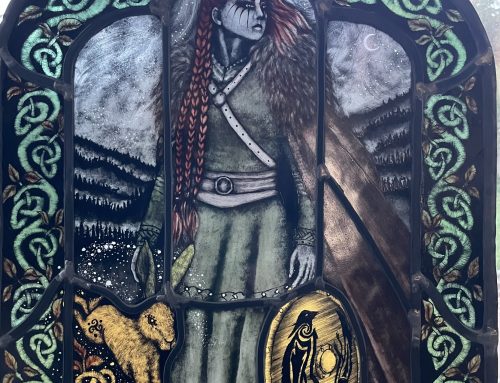
At Amber Dragons, stained glass artist Christine Saunders creates original artwork in Somerset. Her work is inspired by wildlife, nature, mythology, fantasy, landscapes and personal stories. Each piece begins with an idea and develops through drawing, glass selection and careful handwork.
You can see available pieces in the Amber Dragons shop, learn more about Christine and Amber Dragons, or view recent stained glass work and commissions.
What Makes Handmade Stained Glass Special?
Every sheet of art glass contains small differences. Colour can vary across the surface. Texture may bend or scatter light. Tiny bubbles, ripples and changes in density can form part of the material. These details mean that two pieces made from the same design can still have their own appearance.
Handmade work also reflects a series of choices made by the artist. Christine considers the subject, the balance of the design and the way each line supports the whole piece. She looks at where a lighter glass may help the image glow and where a stronger colour may create focus.
This process gives the finished artwork a sense of depth. It is not simply a picture placed in a window. It is an object designed to work with natural light.
Original art rather than mass production
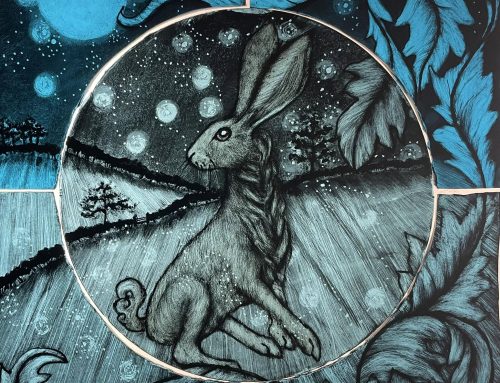
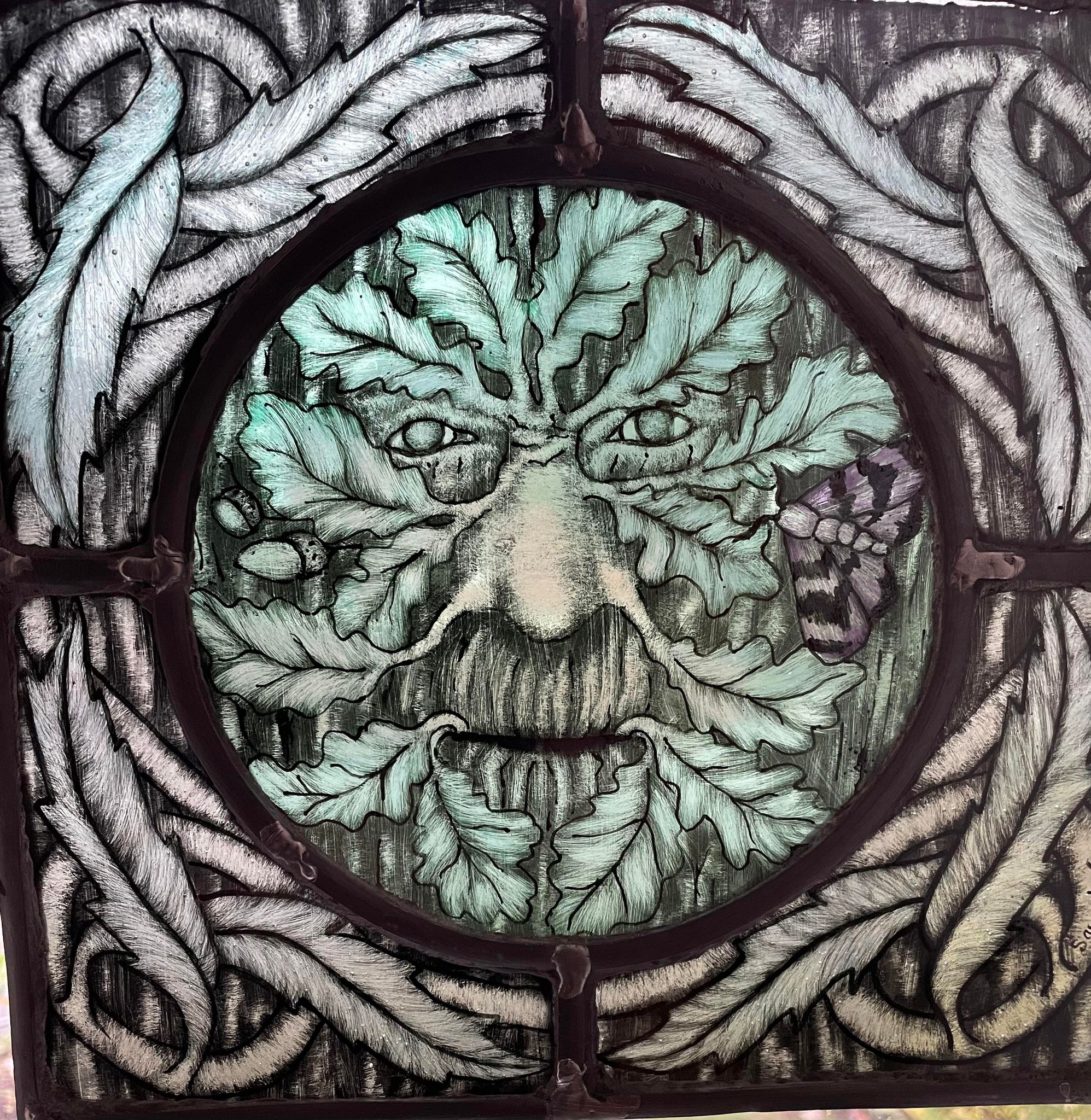
A mass produced decoration is made to look the same each time. An original stained glass piece is different. The exact section of glass chosen for a bird, leaf, moon or landscape can alter the mood of the design. A textured area may suggest feathers, water, bark or cloud. A streak of colour may become an important feature.
That individuality is one reason stained glass can make a meaningful gift. The buyer is choosing something made by a person, not a copy produced on a large production line.
Artwork that changes with its setting
Stained glass responds to its surroundings. A piece hung in an east facing window may receive bright morning light. The same piece in a hallway may have softer, steadier illumination. Wall colour, nearby furnishings and the view beyond the window can also affect how the glass appears.
Before buying, think about where the artwork will be displayed. Consider the amount of daylight, the viewing distance and whether the design should be bold or calm. The stained glass panels collection offers examples of different subjects and styles.
From Idea to Stained Glass Design
A successful piece starts with a clear idea. Inspiration may come from British wildlife, a favourite landscape, a mythical figure, a woodland scene or a symbolic image. For a commission, it may begin with a photograph, memory, pet or location that matters to the client.
The first drawing must work as stained glass. Fine details that suit a pencil sketch may not suit separate sections of glass. The design needs strong shapes and a clear flow. Lines are not added at random. They help define the image and support the structure.
Christine refines the composition so the main subject is easy to read. She considers how the eye will move through the panel and which areas need the strongest contrast. The design may be adjusted several times before the glass is selected.
Planning for the finished location
The intended location affects the design. A small hanging piece needs a simple, clear image that reads well at close range. A larger panel can allow more movement and detail. A piece for a bright window may use colours differently from artwork designed for a softly lit room.
Size matters too. The proportions should suit the window, wall or frame. A landscape design may need width. A standing figure or tall plant may work better in a portrait shape. Good planning helps the final piece feel at home in its setting.
Choosing Colour, Texture and Light
Glass selection is one of the most creative parts of the process. Colour is important, but it is not the only factor. Transparency, opacity and texture all affect the result.
- Transparent glass allows more light through and can create bright colour.
- Opalescent glass has a softer appearance and can show well without strong backlighting.
- Textured glass scatters light and may add movement or privacy.
- Streaked glass contains flowing colour that can suggest sky, water, fur or foliage.
- Dense colour can provide contrast and draw attention to a key part of the design.
The artist may hold several sheets up to natural light before making a decision. Glass that looks dark on a workbench can glow when placed in a window. A pale sheet may reveal lines and tones that were not obvious at first.
Building a balanced palette
A strong palette does not need every colour. Often, a smaller group of well chosen tones creates a more confident result. One vivid section can act as a focal point, while quieter colours support it.
For wildlife art, natural colours may be mixed with more imaginative glass. A bird can remain recognisable while the texture adds energy. Fantasy work can use unexpected colour to create atmosphere without losing the shape of the subject.
Cutting, Shaping and Assembling the Glass
Once the pattern is ready, each section is matched to a suitable area of glass. The direction of a ripple or colour streak can be important. It may follow the curve of a wing, the sweep of a tail or the line of a hill.
Each shape is marked and cut with care. The edges are refined so the pieces fit the pattern. Accuracy matters because a small change in one part can affect neighbouring sections.
The chosen construction method depends on the design. Copper foil is often suited to detailed decorative work and curved shapes. Lead came is often used for panels with a more traditional structure. In either method, the separate pieces must be joined into one stable design.
Why the joining lines matter
The dark lines between pieces of glass are part of the drawing. They define edges, create rhythm and connect the composition. A well placed line can suggest movement. A poorly placed one can distract from the subject.
Christine plans these lines during the drawing stage, then follows the design carefully during assembly. Soldered joints are formed where required, and the piece is checked as it develops.
Finishing and Quality Checks
After assembly, the work must be cleaned and inspected. The artist checks the joins, edges and hanging points. The panel should feel secure and the surface should be presented neatly.
The finished piece is then viewed in different light. This final check helps reveal how the colours work together and whether the subject reads clearly. It also shows the natural variations that make the glass distinctive.
Care information should suit the type of artwork. Stained glass normally needs gentle handling. A soft dry cloth can remove light dust. Strong household chemicals and rough materials should be avoided. Hanging fittings should be checked from time to time, especially if the piece is displayed in a busy area.
Choosing an Original Piece for Your Home or as a Gift
Start with the person or place. If you are choosing for your own home, think about the subjects you enjoy and the colours already in the room. If it is a gift, consider the recipient’s interests rather than choosing only by size.
Wildlife, landscapes and nature inspired designs can suit many homes. Mythical and fantasy subjects have a stronger identity and can be ideal for someone who enjoys imaginative art. A bespoke commission may be the best choice when a particular animal, memory or story must be included.
Use these questions to guide your choice:
- Where will the piece be displayed?
- Will it receive direct or soft natural light?
- What size suits the window or wall?
- Does the recipient prefer bold colour or gentle tones?
- Would an available piece or a personal commission be more suitable?
To discuss an individual idea, visit the latest works and commissions page. You can also browse the shop for current handmade stained glass artwork.
Frequently Asked Questions
Is every Amber Dragons stained glass piece handmade?
Amber Dragons focuses on original handmade stained glass artwork. Natural differences in the glass and the handcrafting process give each piece its own character.
Where is Amber Dragons based?
Amber Dragons is based in Somerset, where stained glass artist Christine Saunders creates decorative artwork and bespoke commissions.
Can I request a design based on my own idea?
Yes. A commission can begin with an idea, photograph, animal, place or personal story. The design must then be adapted so it works well in stained glass.
Where should I display stained glass art?
A window with natural light is a popular choice. Some framed or more opaque pieces can also work well against a wall or on a stand. Always use fittings that suit the weight and location.
How should handmade stained glass be cleaned?
Remove light dust gently with a soft dry cloth. Avoid abrasive materials and strong household cleaners. Handle the piece by its secure outer edges and follow any care advice supplied with it.
Discover Handmade Stained Glass by Amber Dragons
Original stained glass combines art, craft, colour and changing light. Each stage, from the first drawing to the final clean, shapes the finished result. Browse handmade stained glass in the Amber Dragons shop or contact Amber Dragons to discuss a bespoke piece created around your own inspiration.