


Archive note: This article was originally published by Amber Dragons on 13 February 2025 and has been restored following the 2026 website rebuild.
Using Light in the Home with Stained Glass Panels
Stained glass is an age-old art form that continues to captivate homeowners, interior designers and art lovers. From medieval churches to contemporary homes and businesses, coloured glass creates a distinctive interplay of light, colour and texture.
Incorporating stained glass into an interior can produce changing visual effects throughout the day, adding atmosphere and individuality to an otherwise ordinary space.
What Makes Stained Glass Artwork Special?
An Artistic Play of Light and Colour
Stained glass combines coloured and textured pieces of glass to form patterns, illustrations and decorative compositions. When daylight or artificial light passes through, the colours become more vivid and cast reflections into the surrounding room.
- Changing colour: The appearance develops as the direction and strength of daylight change.
- Softer illumination: Textured or opalescent glass can diffuse light and reduce harsh glare.
- Individual atmosphere: Carefully selected glass can make a room feel warmer, calmer or more dramatic.
Timeless Elegance
Stained glass can be traditional, contemporary or completely personal. Flowing natural forms suit Arts and Crafts or Art Nouveau interiors, while abstract and geometric work complements more minimal spaces.
Benefits of Decorating with Stained Glass
Creates a Focal Point
A well-positioned panel immediately attracts attention and gives a room an artistic centre. It can also connect other colours and decorative elements within the interior.
Provides Privacy Without Blocking Light
Textured and coloured glass can obscure a direct view while allowing daylight to enter. This makes it useful for entrance doors, bathrooms, street-facing windows and other spaces where privacy and brightness are both important.
Adds Artistic and Personal Value
A bespoke design can reflect wildlife, flowers, landscapes, family themes, mythology or another subject that has personal meaning. This turns a functional element into artwork created specifically for the space.
Ways to Use Stained Glass in Your Décor
Windows
Stained glass windows can be complete installations, decorative sections or separate panels positioned in front of existing glazing. Suitable locations include entrance halls, living rooms, dining rooms, kitchens and bathrooms.
Doors and Interior Panels
Decorative glass can be incorporated into doors or used as an artistic room divider. These applications introduce colour and separation without the visual weight of a solid partition.
Skylights and Ceiling Features
Where the structure allows, coloured glass placed overhead can project patterns across walls and floors. Because the sun moves, the effect evolves through the day.
Lamps, Suncatchers and Smaller Pieces
A full window is not the only way to enjoy stained glass. Lamps, hanging panels, suncatchers and framed artwork introduce colour on a smaller scale and can be repositioned more easily.
Popular Stained Glass Styles
Traditional and Gothic
Traditional stained glass often uses strong outlines, rich colours and intricate figurative or decorative detail inspired by historic windows.
Art Nouveau and Nature-Inspired Designs
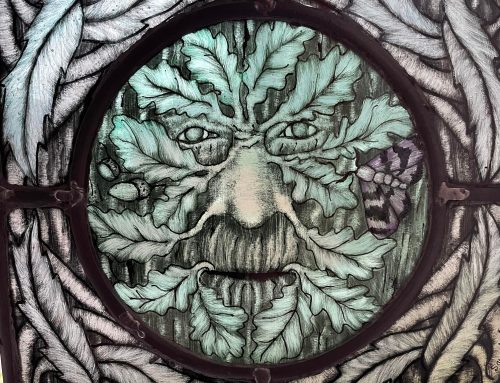
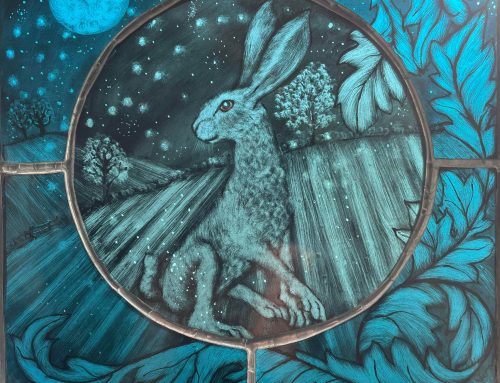
Flowing lines, flowers, leaves, animals and organic forms make stained glass especially well suited to natural subjects.
Abstract and Geometric
Bold shapes and controlled colour palettes work effectively in contemporary interiors, where the glass can provide contrast without overwhelming the room.
Custom Designs
A bespoke commission may incorporate a pet, wildlife, a meaningful landscape, favourite colours or symbolic details. The design is developed around both the subject and the intended display location.
Choosing Stained Glass Artwork
- Consider the setting: Note the available light, viewing distance and surrounding colours.
- Choose a suitable style: Decide whether the room calls for traditional, modern, natural or illustrative artwork.
- Think about transparency: Clear, textured, opalescent and deeply coloured glass each behave differently.
- Prioritise craftsmanship: Sound construction and suitable support are essential for the long-term stability of a panel.
Caring for Stained Glass
Stained glass usually requires modest maintenance. Use a soft cloth and, when necessary, a small amount of mild soap. Avoid abrasive materials and harsh chemicals that could affect the glass, lead or solder.
If a panel develops cracks, loose sections or structural movement, ask an experienced stained glass professional for advice rather than attempting a repair with unsuitable household products.
Why Choose Stained Glass for Your Home?
Decorating with stained glass is more than a colour choice. It brings craftsmanship, history and individuality into the space. Its ability to transform ordinary light into an evolving display makes every panel feel alive.
Amber Dragons creates handmade stained glass artwork from Somerset for customers in the UK and beyond. Pieces are carefully prepared for delivery, with arrangements depending on size and destination.
Browse the stained glass shop, explore bespoke commissions, or contact Christine Saunders to discuss an original design.